Safe and Effective Treatments for Eczema With DSH Today
Eczema is a fairly common skin condition that plenty of people deal with day-to-day. There are different types, different triggers, and different treatments that you can use to manage your symptoms. With medical intervention, our patients have been able to manage their eczema short and long-term, minimizing the risk of future flare-ups while mitigating the ones that do occur. Given that the exact triggers behind eczema aren’t fully understood, it’s important to find a healthcare provider that can help with your eczema long-term. Working to understand your eczema symptoms is only the first step: to avoid any long-term complications, it’s crucial to find care that can cater to your specific circumstances.
Different Types of Eczema
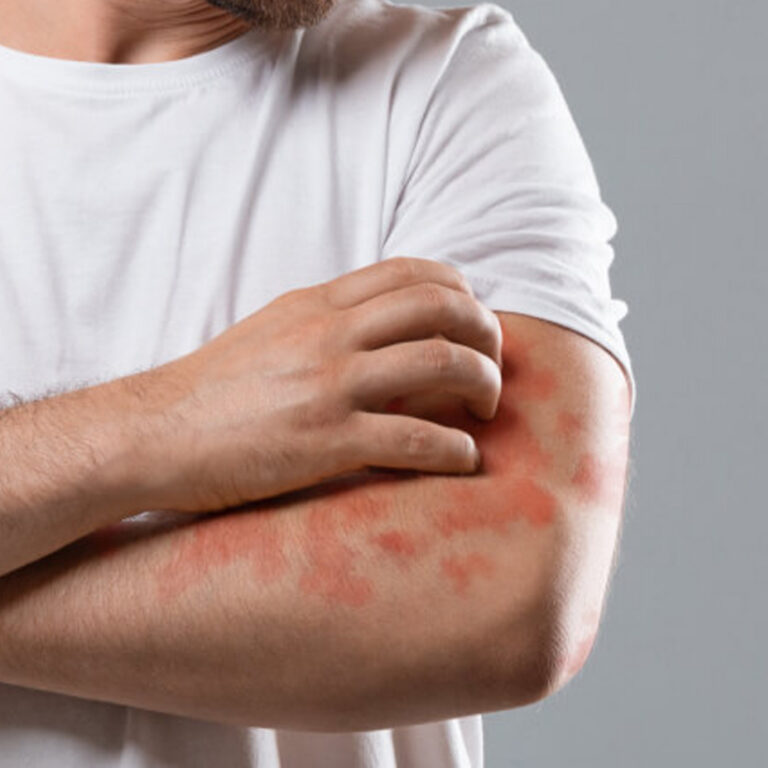
While the symptoms of eczema commonly manifest as irritated skin, itchy skin, or scaly skin, each particular symptom can be caused by different triggers and factors.
- Atopic dermatitis: usually appears as itchy and dry rashes, with additional flushing and redness for some patients. One of the most common types of eczema.
- Contact dermatitis: similar to atopic dermatitis, only this type of eczema is triggered by your skin making contact with something that irritates it. Can also occur with allergies.
- Stasis dermatitis: a form of eczema caused by insufficient blood flow to your legs. Symptoms include redness, irritated skin, and rashes. Severe eczema may also include open sores.
- Dyshidrotic dermatitis: dyshidrotic eczema usually affects women more than men, with symptoms concentrated around the hands and feet. Scaly skin and patches of itchy skin can spread to the surrounding skin.
- Nummular dermatitis: this type of eczema is visibly different from the others, manifesting as coin-like scaly spots on your skin that can be itchy or irritated. Can be caused by dry skin or insect bites.
For cases of severe eczema or for immunocompromised patients, it’s possible to experience symptoms of more than one type of eczema at a time.
Different Treatment Options for Eczema
Treatments for eczema will usually center around making your symptoms more manageable when you get an eczema flare-up. However, long-term treatments may also help minimize your triggers and prevent any future flare-ups from getting worse.
Topical Corticosteroids
Designed to relieve any itching, especially the kind that comes from the more aggressive type of eczema, topical corticosteroids are quite an effective treatment. Mild eczema usually responds very well to this type of treatment, though more severe eczema can also use this method on the prescription of a medical professional. Keep in mind that using a topical steroid can have side effects with prolonged use since steroid cream and topical steroids can affect the treated area and the surrounding skin. Some side effects may include irritated skin and mild to moderate skin discoloration over time.
Antihistamines
Blocking the reaction your skin has to an allergy, antihistamines can help stop the itchy skin from eczema. Because these are often sold as over-the-counter medications, they’re a quick and easy way for you to manage any eczema symptoms you’re experiencing on your own. However, it’s also important to consult your doctor after you take these medications to ensure that your eczema isn’t getting worse. These medications can also have side effects like drowsiness, so take that into consideration before you start using them as regular treatments.
Oral/Topical Medication
Immunosuppressants are another effective option for managing frequent eczema flare-ups since some part of your skin’s allergic response is controlled by your immune system. By slowing down your overactive immune response, you’re less likely to experience severe flare-ups of eczema. If your eczema symptoms have gotten worse, your doctor or dermatologist can also prescribe antibiotics to help treat or stave off skin infections. Since it’s easier for foreign bodies to enter your skin when you have an eczema flare-up, it’s crucial to avoid getting infections that can turn into severe complications.
Stress Management
While the effects of chronic stress on the body aren’t fully understood, most medical experts agree that stress management is crucial to keeping your body healthy. If your eczema symptoms flare up when you’re stressed, this type of therapy may work for you. Stress management can take any number of forms, but one common way to go about this is through lifestyle management. Even self-care routines like wet wrap therapy or simply soaking in the bath can help mitigate the symptoms of eczema.
Light Therapy
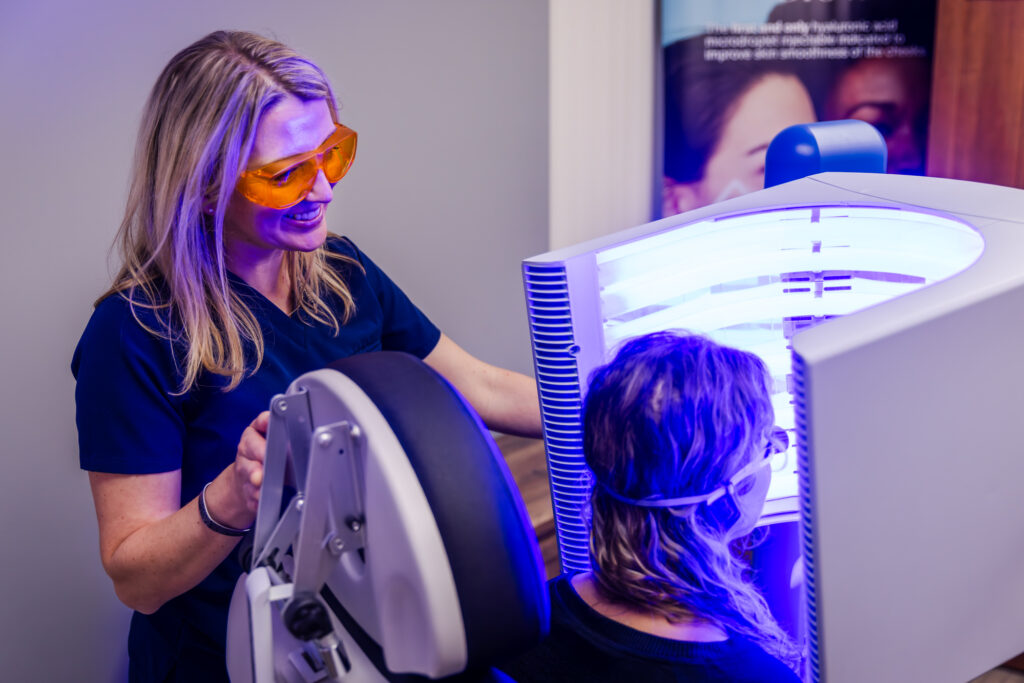
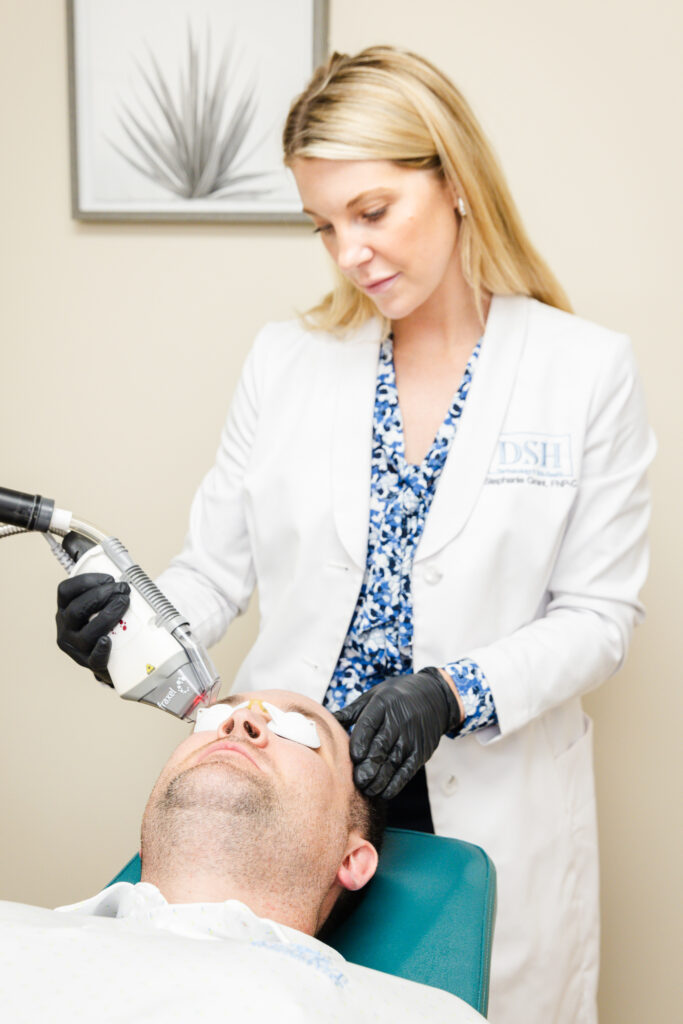
Phototherapy has rapidly become the favorite option for many eczema patients looking for non-invasive treatment options. Using ultraviolet light, phototherapy targets the skin cells that flare up with an overactive immune response, slowing their production and reducing inflammation. There are different types of phototherapy that you can get to treat eczema, as well as other similar skin conditions. Consult your doctor or dermatologist to learn which one works best for your particular condition.
Complications from Eczema
Eczema may manifest itself as a skin condition, but there are plenty of complications that can occur if it’s left untreated.
- Additional eczema: one of the most common escalations of untreated eczema is developing other types of eczema, often with longer and more severe symptoms.
- Asthma and hay fever: the overactive immune response from eczema flare-ups can also trigger similar conditions like asthma and hay fever, or vice-versa.
- Sleep conditions: irritated skin or itchy skin can severely impact your sleep schedule, which can cause you to develop sleep disorders if you don’t find relief for your symptoms long-term.
- Thickened skin: repeated flare-ups of eczema can also cause thick and scaly skin to grow on your body over time. These can be difficult to manage without medical intervention.
- Skin infections: a severe rash can easily lead to breaks in the skin, where bacteria and other foreign organisms can invade. This makes you far more prone to skin disorders and infections.
Why Trust Dermatology & Skin Health for Your Eczema Treatment
Dermatology & Skin Health have a long history of helping our clients through short-term and long-term concerns like eczema and other skin infections. As a practice strongly rooted in our community, we hold ourselves to a standard as healthcare providers that our patients can trust.
- Patient-centric care: By working closely with your specific needs, we can put you on a treatment plan that can give you better results. We don’t believe in simply administering a cure – we always aim for both results and a great experience whenever you come to us for your skincare concerns.
- Accessible at all times: DSH has 7 different locations around New Hampshire and Massachusetts, which gives our patients access to skincare on demand. Our staff is trained to address your concerns promptly and efficiently, making sure that you get the care that you want when you need it.
- The latest innovations in skincare: We believe in keeping pace with medical technology, using the latest innovations to make sure our patients have the best outcomes possible. Our facilities are fully equipped with the latest treatments to help manage your condition as best as we can.