Complications That May Arise From Psoriasis
For people who don’t experience too many psoriasis symptoms, this condition might seem like something they can manage on their own. But without the oversight of a healthcare provider, it’s easy for even mild psoriasis to develop into more severe complications:
Psoriatic Arthritis
By far one of the most common and most debilitating complications from psoriatic disease is psoriatic arthritis. You can think of this as an escalation of psoriasis since you get the symptoms of psoriasis with the effects of arthritis. Without treating your malfunctioning immune system, it becomes easier for your symptoms to escalate.
Conjunctivitis and Eye Conditions
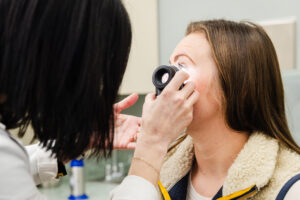
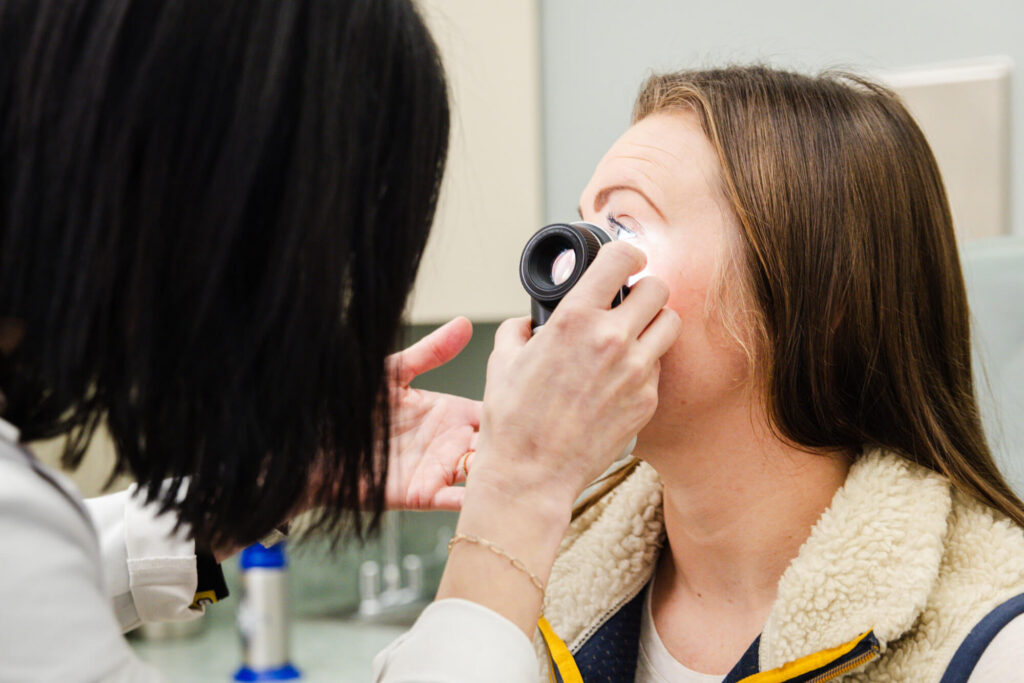
Conditions like pinkeye are also far more common with psoriasis since the affected skin can occur almost anywhere in the body. With one of the most common symptoms of the disease being inflammation, moderate psoriasis on the face can easily spread to the eye.
Heart Disease
The inflammation caused by psoriasis can also reach underneath the skin, affecting your blood vessels and circulatory health. Heart diseases like high blood pressure, diabetes, and atherosclerosis are all potential complications that can be caused by psoriasis interfering with your blood flow in the body.
Lowered Skin Health
With psoriasis taking a toll on your skin, it’s far easier for inflammation to damage your hair and nails. Severe psoriasis (especially scalp psoriasis) can make your hair more brittle, your skin more prone to infection, and cause discoloration of your nails and hair follicles.
Other Autoimmune Diseases
Psoriasis is caused by your immune system malfunctioning – and it’s this same condition that can cause your immune system to fall to other diseases. You’re at higher risk for conditions like alopecia, vitiligo, or even celiac disease. Because of your weakened immune system, even mild ailments may take you longer to recover from.
Treatment Options For Psoriatic Disease
Psoriasis is a complex condition that can only be managed once your immune system has been brought under control. While there is no cure, the treatment options for this condition can drastically ease your symptoms.
Medications
For a patient who’s experiencing moderate to severe psoriasis (or different types of psoriasis at a time) injections or oral medication can be great ways to manage your conditions. However, since these medications have strong effects, you should only use them as long as prescribed by your medical provider.
Topical Treatment
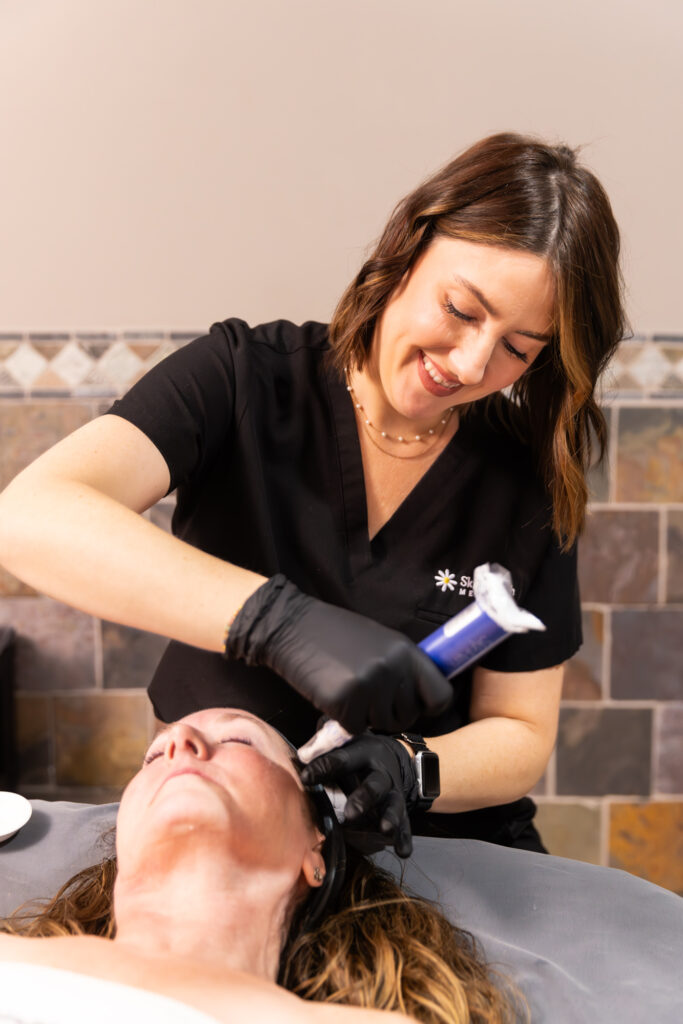
Using topical corticosteroids or other products can be effective treatments for mild cases of psoriasis. A topical corticosteroid reduces the inflammation on your skin, which can be useful for conditions like severe plaque psoriasis. Keep in mind that these are usually effective at alleviating psoriasis symptoms – they rarely have any effect on your immune system.
Phototherapy/Light Treatment
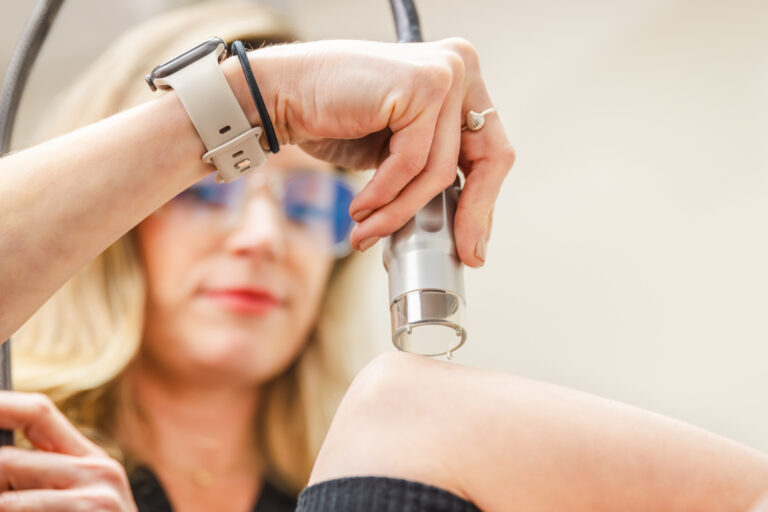
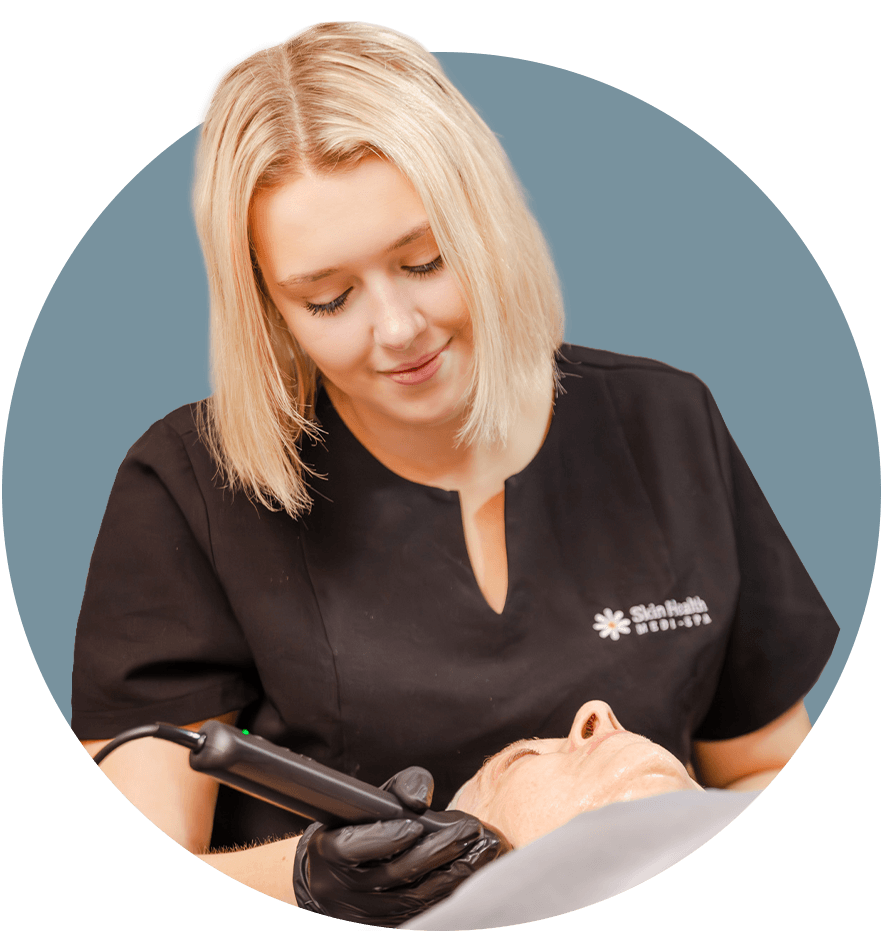
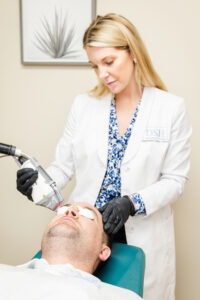
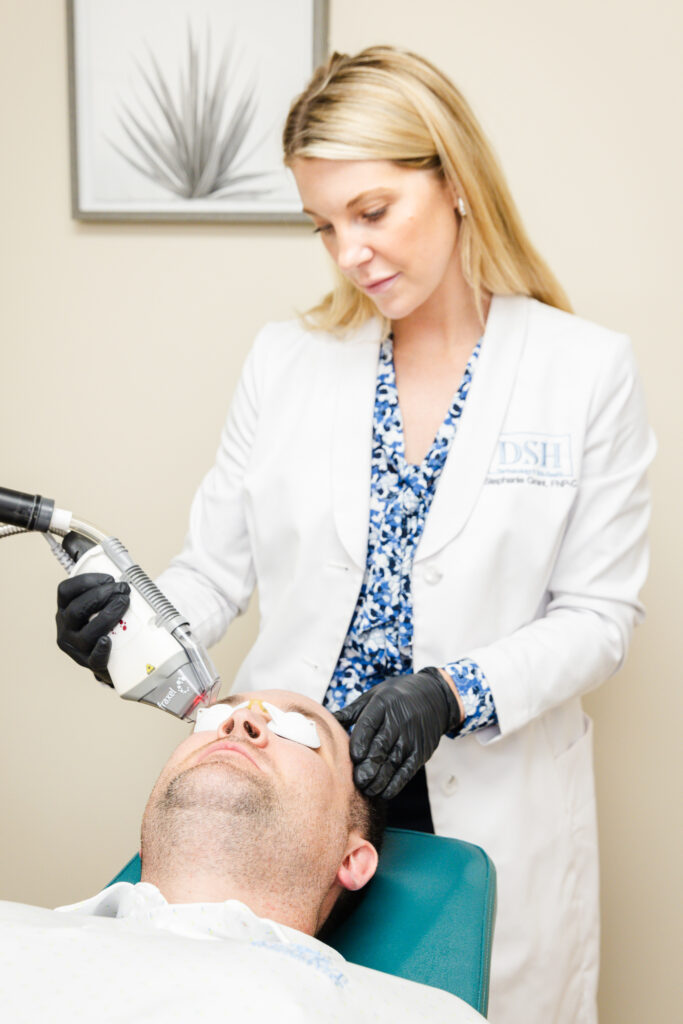
Using targeted UV light or UVB phototherapy can help destroy excess white blood cells, which can help minimize the number of healthy cells that they attack by mistake. This can also help manage excessive or abnormal growth of skin cells by killing the excess growths. These treatments are typically used for managing mild to moderate psoriasis symptoms.
When Should I See A Professional?
Given that there are mild, moderate, and severe types of psoriasis, patients may be understandably worried about the right time to see a doctor. This can be particularly true for people who’ve had them for a long time or those who are used to handling them on their own.
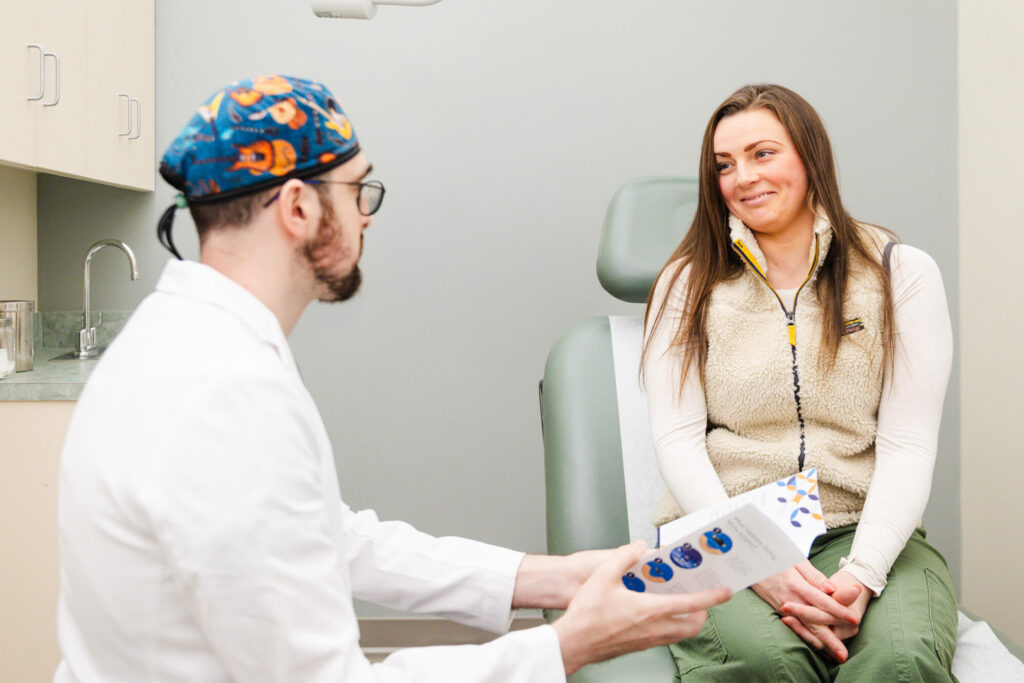
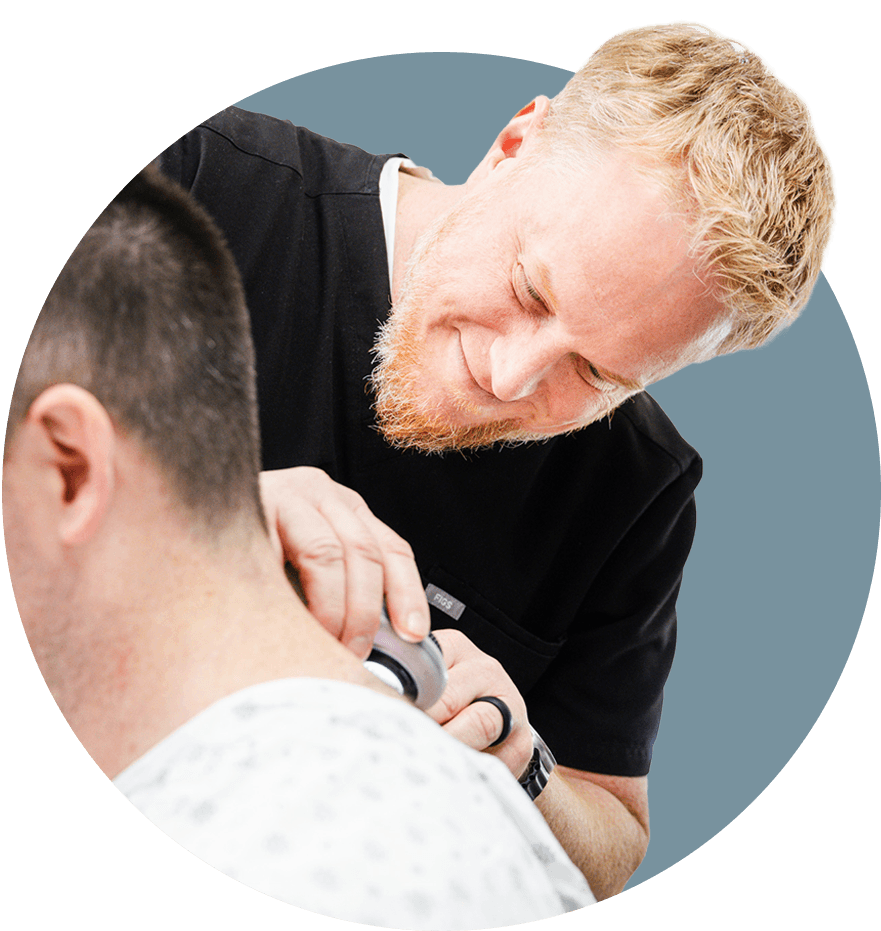
The easy answer to this question is that you should always consult a medical professional once you experience psoriasis symptoms, since they can escalate quickly without proper intervention. However, there are some questions you can ask yourself about the best time to consult a professional:
- Have my symptoms escalated in the last 24 hours?
- Have I gotten symptoms in places where I haven’t exhibited them before?
- Have I started taking medications or changed my diet before my symptoms?
- Have my family members started exhibiting symptoms and I haven’t?
- Have I experienced any unusual changes in my skin, hair, or nails?
If your answer to any of these questions is yes, then you should consult your medical provider immediately.
Outlook for Psoriasis Patients
With proper care and medical intervention, many psoriasis patients can live comfortably with their symptoms. Depending on the severity of their condition, DSH can help manage psoriasis patients short and long-term, helping them find relief and allowing them to find an acceptable quality of life.
What’s more concerning is the many misconceptions that people have about psoriasis. Even though it’s an autoimmune disease, many people still think that psoriasis is contagious or that it’s a simple skin condition that has a cure. For Dermatology & Skin Health, getting rid of these preconceptions is just as important as addressing the symptom itself.
As a long-trusted healthcare provider, DSH aims to help every psoriasis patient overcome the symptoms of their condition and to live a fulfilling life despite this disease.
Why Trust Dermatology & Skin Health for Your Psoriasis Treatments
DSH has plenty of experience with helping our patients with a variety of skin conditions, up to and including psoriasis. As experts in short and long-term care, we pride ourselves on creating a standard with our treatments that we always uphold. For chronic conditions like psoriasis, we must work towards a trusted relationship as your healthcare provider.
- Patient-centric care: While we believe in providing our patients with the best care possible, we also believe that results shouldn’t come with the caveat of a bad experience or discomfort. Our patient-centric approach allows us to take your specific needs into consideration, which can help us give you better results.
- Accessible at all times: Psoriasis doesn’t operate on a schedule – with many different triggers and severity of symptoms, you should get access to care when you need it. With our 7 different locations and our highly trained staff, we make sure that every concern that you may have about your condition and/or treatment is addressed properly.
- Latest in skincare innovation: By keeping pace with the latest developments in medical technology, we’re able to bring a higher standard of care to our patients compared to other healthcare providers. Our facilities are always fully equipped with the latest and best treatments to give you the best outcome possible.