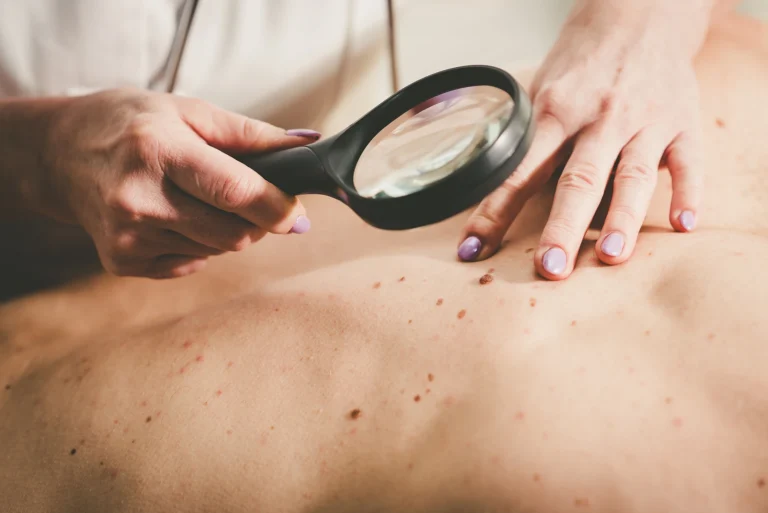
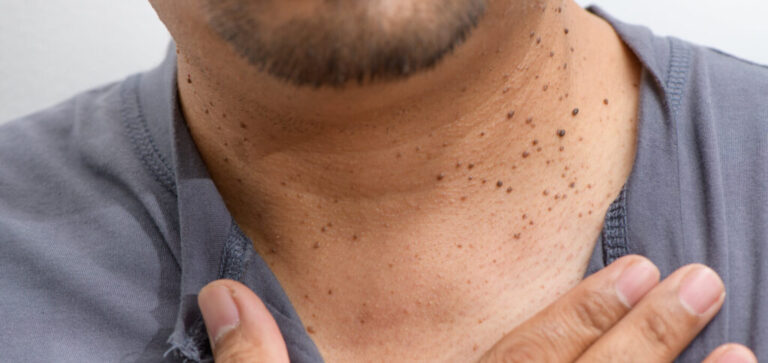
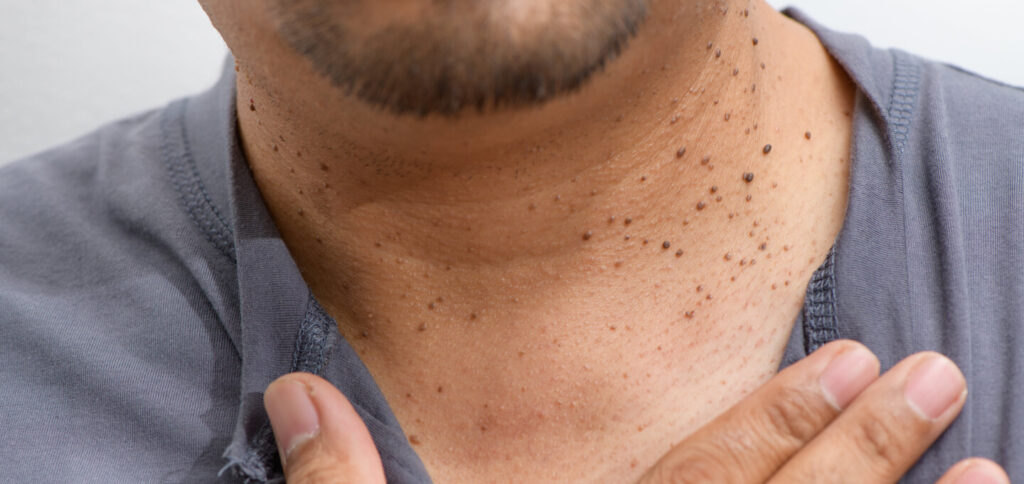
Most people who experience seborrheic keratosis develop these growths when they are middle-aged or older. Over time, they may get bigger and become more abundant. They may also become thicker and raised with a waxy or rough texture. You can find these harmless growths anywhere on the skin, except on your palms and the soles of your feet.
Seborrheic keratosis is generally harmless, but the possibility of your spots or lesions being cancerous and affecting the surrounding skin can cause a lot of stress and anxiety on your part, especially without a skin biopsy and an official diagnosis. This is the most significant reason why we tell our patients to get their skin growths diagnosed: to make sure that it’s a benign skin condition and nothing that requires immediate removal.
While some people who experience this skin condition generally don’t see any problems with seborrheic keratoses, others may experience a negative effect on their quality of life. At worst, seborrheic keratoses can become inflamed, irritated, and even infected if they’re located in certain areas of the body.
For a patient that wants preventative treatment for these complications, a dermatologist can remove their seborrheic keratoses the moment they get detected, or as soon as a proper diagnosis is made. Medical removal of these growths can leave the surrounding skin intact without affecting your appearance.