
The most common cause of squamous cell carcinoma (SCC) is cumulative exposure to ultraviolet (UV) radiation from the sun or artificial sources such as tanning beds and sunlamps. Over time, repeated UV exposure damages the DNA within skin cells. While the body is able to repair much of this damage, some changes persist and accumulate with age.
When enough DNA damage occurs, affected skin cells can begin to grow abnormally and uncontrollably, eventually developing into squamous cell carcinoma. Most SCCs arise from the squamous cells that make up the outermost layer of the skin (the epidermis).
Although UV exposure is the primary risk factor, other factors can increase the risk of SCC, including fair skin, a history of frequent sunburns, advancing age, a weakened immune system, certain precancerous lesions (such as actinic keratoses), and previous radiation exposure.
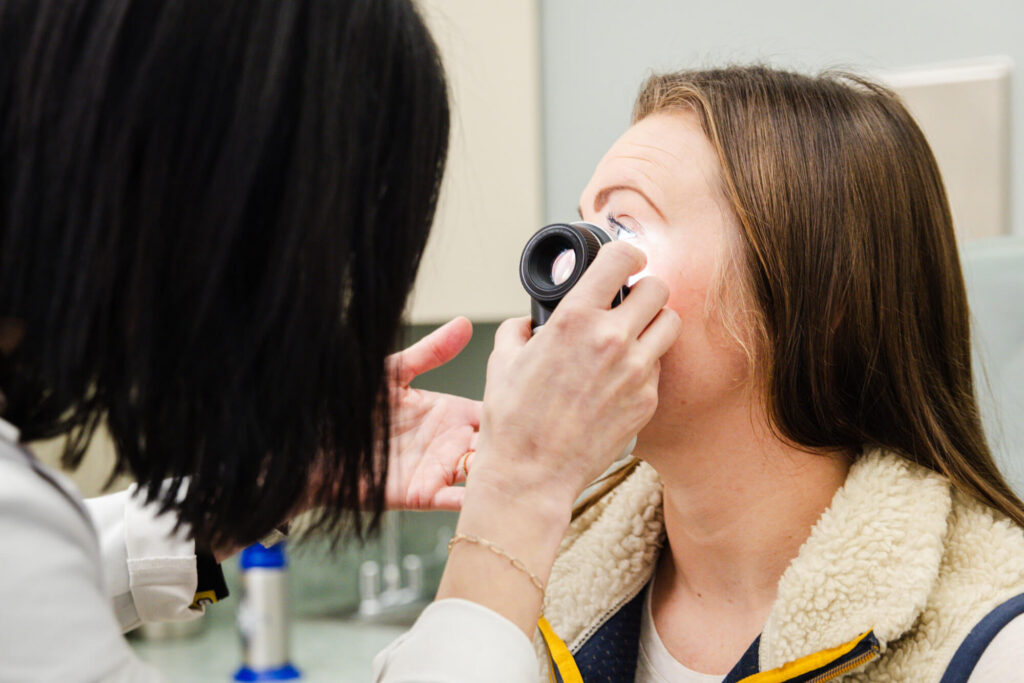
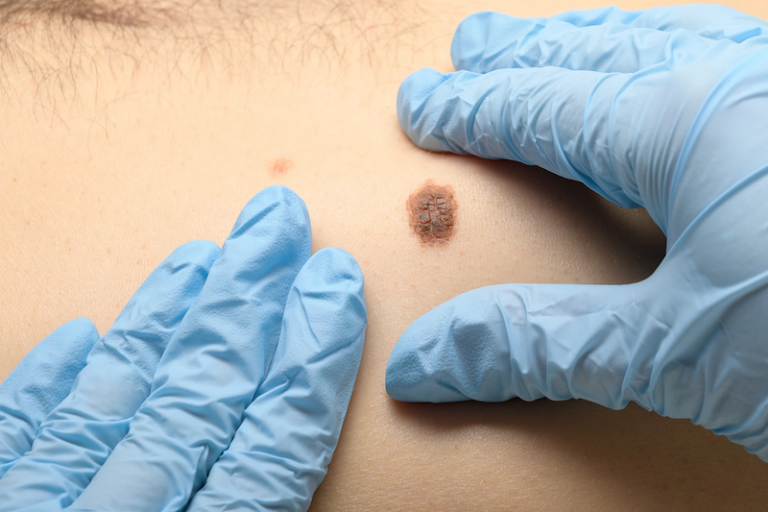
Fortunately, when detected early, squamous cell carcinoma is highly treatable. Regular skin examinations and prompt evaluation of any new or changing skin lesions are the best ways to identify SCC before it has the opportunity to grow or spread.