
Vitiligo is a condition that causes loss of skin pigment, leading to lighter patches that can appear anywhere on the body. While it isn’t harmful or contagious, early evaluation can help you understand treatment options and feel more confident in your skin.
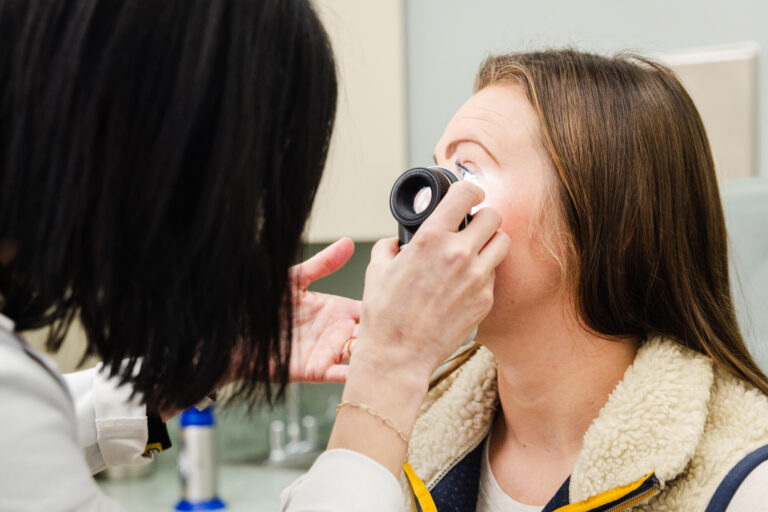



Vitiligo causes white patches to appear on the skin. Each white patch caused by vitiligo may appear nearly anywhere but its appearance is more common in areas where the skin is exposed to the sun. Common areas where you can see lost skin color include the following:
- Armpits and groin
- Around the mouth
- Eyelids
- Nostrils
- Navel
The cause of this skin condition is unknown. Vitiligo may be an autoimmune disease, which refers to the condition where your immune system mistakenly attacks some part of your own body. In vitiligo, the immune system may destroy the melanocytes in the skin, which are the skin cells that create the pigment called melanin.
When attacked, the melanocyte can no longer make pigment in normal amounts. It’s also possible that one or more genes may make a person more likely to get the disorder. Some researchers think that melanocytes destroy themselves. Others think that a single event such as sunburn or emotional distress can cause vitiligo, but these events have not been proven to cause skin color loss.
One to 2 million people in the U.S. are affected by vitiligo. Most of them develop symptoms before their 40th birthday. The disorder is equally likely to affect men and women, and people of all races.
People with certain autoimmune diseases, such as atopic dermatitis, hyperthyroidism, alopecia areata, or celiac disease, are also more likely to get vitiligo than people who don’t have any autoimmune diseases.
Vitiligo may also run in families. Children whose parents have the disorder are more likely to develop it. However, most children won’t actually get vitiligo even if a parent has it.
Vitiligo itself isn’t dangerous, but it can affect how patients feel about their appearance. In some cases, it can also have physical complications like hearing problems, eye issues, and an increased risk of developing sunburns. Some patients are also more likely to have other kinds of autoimmune diseases associated with vitiligo.
If you’re concerned about the appearance of white patches on your skin and its possible complications, you can always consult a dermatologist about vitiligo or other pigmentation issues. Visit a skin clinic near you once you notice these signs of vitiligo:
- Patches of skin that lose its normal color, including the mucus membranes in the mouth or nose
- Patches of hair on the scalp that suddenly turn gray or white without an obvious cause
- Formation of painful sunburns on the white patches of the skin
There are several treatment options that are aimed at restoring color to the affected area of the skin. The choice of treatment depends on:
- The number of white patches
- How widespread the patches are
- The treatment the person prefers
- Some treatments are not right for everyone and many can have unwanted side effects.
Treatments can take a long time, and sometimes they don’t work. Current treatment options for vitiligo include medical, surgical, and other treatments.
Medical treatments include:
- Medicines (such as topical corticosteroid) that you put on the affected area
- Medicines that you take by mouth
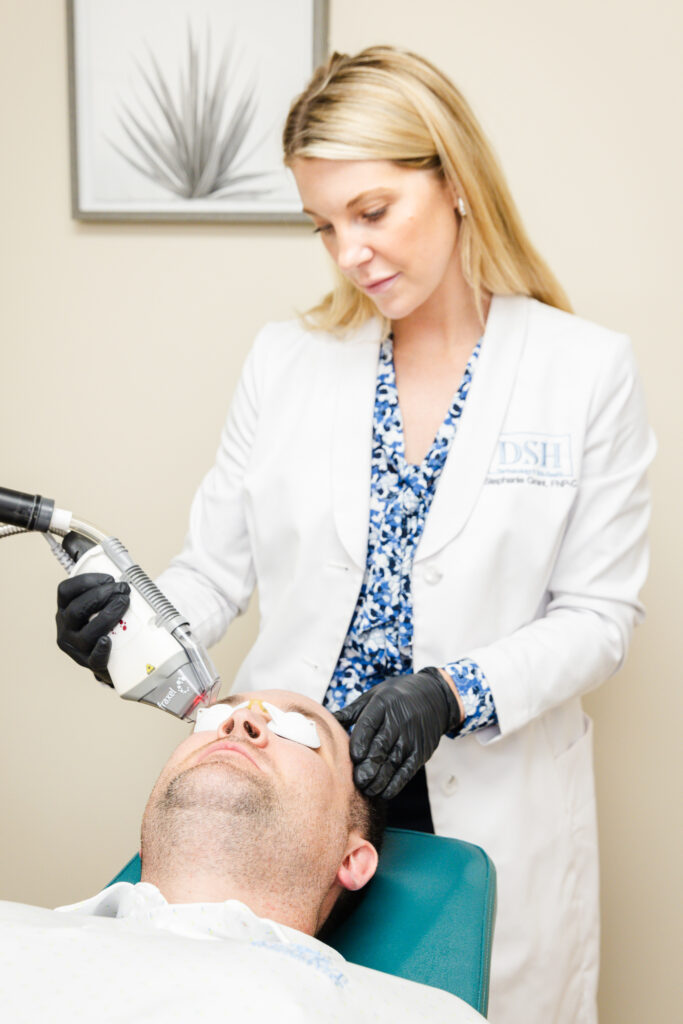
- Excimer Laser Treatment is a type of light therapy (or phototherapy) that restores the normal skin pigment of the white patches using narrow bands of ultraviolet light B
- Removing the color from other areas so they match the white patches
Surgical treatments include:
- Skin grafts from a person’s own tissues. The doctor takes skin from one area of a patient’s body and attaches it to another area. This is sometimes used for people with small patches of vitiligo.
- Tattooing small areas of skin to apply pigment and diminish the pale appearance of the vitiligo patch.
Other treatments include:
- Sunscreens
- Cosmetics, such as makeup or skin dye, to cover the white patches
Some people with vitiligo have found that cosmetics that cover the white patches improve their appearance and help them feel better about themselves. A person may need to try several brands of concealing cosmetics before finding the product that works best.
Aside from covering up the white patches with makeup, it’s also important for patients to protect their skin from sun exposure and other sources of UV light. The lack of melanin in the white patches of their skin makes it susceptible to sunburns, so patients should always wear sunscreen with at least SPF 30 and cover their affected skin well.
When you have vitiligo, you may be upset or depressed about the change in your appearance. You can do several things to cope with the disorder like:
- Learn about the disorder and treatment choices. This can help you make decisions about your treatment.
- Talk to other people who have vitiligo. A vitiligo group can help you find a support group near you (check your local listings). Family and friends are also other sources of support.
- Find a counselor if you need further support.
- Learn about the disorder and treatment choices. This can help you make decisions about your treatment.
- Talk to other people who have vitiligo. A vitiligo group can help you find a support group near you (check your local listings). Family and friends are also other sources of support.
- Find a counselor if you need further support.
There is no way to tell if it will spread. For some people, the white patches do not spread into healthy skin. But for others, vitiligo spreads slowly over many years. Some patients may also notice that vitiligo spreading occurs quickly. There are also patients who have reported more white patches after physical or emotional stress.
Vitiligo is a separate condition from skin cancer and albinism. These medical conditions aren’t related, so it’s important to get the right diagnosis from a dermatologist or healthcare provider. After finding out whether you have vitiligo, skin cancer, or albinism, they can recommend treatment plans that match your needs.
Both vitiligo and melasma are skin pigmentation issues, but melasma refers to the overproduction of melanin in the affected area while vitiligo is the lack of skin color in some parts of the body. They are caused by different things so they also require different treatments.

The Dermatology & Skin Health Difference
-
Experienced & Talented Providers

-
Independently Owned and Operated

-
Uplifting and Empowering Team

-
Wide Range of Services

-
State-of-the-Art Techniques
-
Skin Health Medi Spa






















Brooke Comire
Certified Cosmetic Injector and Laser Specialist, ASN, RN
- Derry
- Dover
- Londonderry