Two Main Types of Contact Dermatitis
It’s not unusual for a person to have some kind of skin reaction to a particular substance. In fact, contact dermatitis is a very common condition since there are a lot of potential allergens and irritants in the surroundings. There are two forms of contact dermatitis that you may develop:
Allergic Contact Dermatitis
This type of contact dermatitis occurs when your body’s immune system reacts to a specific material. When your skin is exposed to an unknown substance, the body will trigger an immune reaction against it and cause inflammation to the affected site.
For most people, only a small amount of the allergen is required to start an allergic reaction. It’s also possible to develop a skin allergy to something that you weren’t particularly sensitive to before. When you have repeated exposure to the same allergen, your skin will become sensitized and you will have skin reactions every time you encounter it.
Irritant Contact Dermatitis
Most skin reactions are a form of irritant contact dermatitis. This can happen when you are exposed to a harsh chemical or strong substance that damages the skin’s outer protective barrier. People with existing atopic dermatitis are more prone to experiencing irritant contact dermatitis.
Certain irritants can instantly damage the skin cells and remove the natural oils that protect your skin. Once the substance penetrates the skin barrier, it will start inflammation and an uncomfortable itching sensation on the exposed area.
Who Are Most Prone to Having Contact Dermatitis?
Since most allergens and irritants are substances that most people use or encounter on a daily basis, anyone can experience having contact dermatitis at one point in their life. However, certain professions or hobbies can make you more susceptible to this skin condition.
Some of the common jobs that can increase your risk for having allergic or irritant contact dermatitis are:
- Healthcare professionals
- Construction workers
- Florists
- Hair stylists
- Cosmetologists
- Food handlers and cooks
- Mechanics
- Artists
- Gardeners
- Cleaners, especially janitors and plumbers
Contact Dermatitis vs. Other Dermatitides
Dermatitis is a general medical condition that refers to the inflammation of the skin. The word literally translates to skin (derm) and inflammation (itis). Contact dermatitis shares the same clinical features and symptoms as other forms of skin conditions. Here’s an overview of how contact dermatitis differs from other forms of skin inflammation:
Contact Dermatitis
Causes: Develops after coming into contact with an irritant or allergen
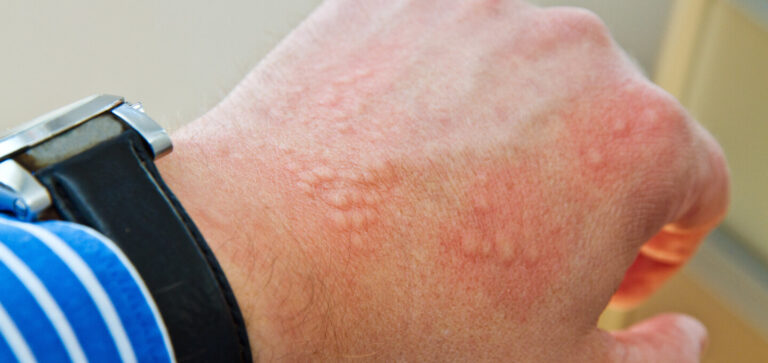
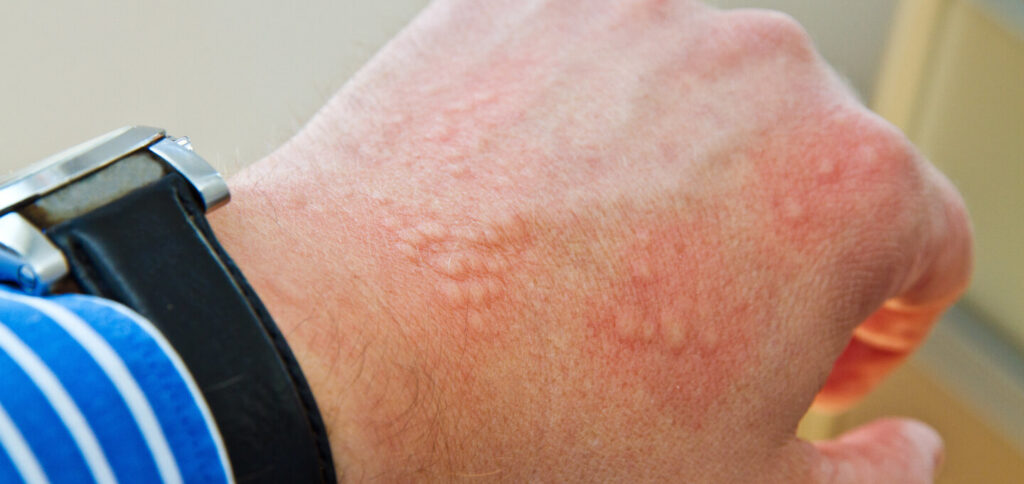
Symptoms: Itchy skin, redness, swelling, and occasional painful blisters and burning sensation
Common affected areas: Symptoms show only on the area that was in contact with the substance such as the hands, fingers, or face
Atopic Dermatitis
Causes: Also known as eczema, this happens when the skin barrier is damaged
Symptoms: Usually causes skin redness and itching. It can also cause skin discoloration and thickening from repeated scratching.
Common affected areas: Face, hands, feet, elbows, and inner knees
Nummular Dermatitis
Causes: It’s not clear what causes it but flare ups may happen due to exposure to cold air, metals, and chemicals
Symptoms: Commonly appears as round and coin-shaped lesions on the skin that is filled with oozing fluid.
Common affected areas: Legs, lower back, hips, forearms, and sometimes hands
Dyshidrotic Dermatitis
Causes: May be caused by stress, weak immune system, and seasonal allergies
Symptoms: Typically forms painful blisters and rashes. It can also cause the skin to peel and dry.
Common affected areas:Usually happens on the hands and feet